
Self-efficacy: believing in yourself
 “Believe in yourself.” “You can do anything you put your mind to.” “Your possibilities are unlimited.”
Sounds like a load of pop-psychology crap.
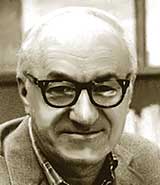
Stanford psychology professor Albert Bandura has given this concept a scientific basis (as well as a new name, self-efficacy). According to the review of his book Self Efficacy: The Exercise of Control:
This book is based on Bandura’s theory that those with high self-efficacy expectancies – the belief that one can achieve what one sets out to do – are healthier, more effective, and generally more successful….[there are] provocative applications of this work to issues in education, health, psychopathology, athletics, business, and international affairs.
An Amazon.com reader points out the life-cycle aspects of the theory:
Self-regulation and perceived self-efficacy help people to adjust to realities of each life’s stage, from early childhood till aging and preparation to death.
In general I’m leery of starting lots of new books, no matter how interesting they sound, especially since I already know so much. But this one sounds like it could be well worth the time.
March 24th, 2005 at 17:32
Are self-efficacy and self-regulation mutually exclusive?
August 26th, 2011 at 08:29
Doesn’t this theory sound a lot like the premise of the book, “The Secret?” Basically, it’s the power of positive thinking, and I assume, goal setting. It all seems like commonsense to me; we all know that having a good attitude can help any situation to seem better. Although, I don’t know what hope that leaves for those of us who are eternally pessimistic…